Preschool fees can be one of the more confusing parts of choosing a school. Two centres on the same street in Yelahanka New Town can quote very different numbers — and the brochures rarely make it clear what that difference actually buys. This guide will not give you a price list. It will give you something more useful: a way to understand what you are paying for, and how to judge genuine value.
What a Preschool Fee Structure Usually Includes
A fee quote is rarely a single number. Ask for the full breakdown, in writing. It typically covers:
- Tuition fee — the core cost of the programme, usually charged annually, termly or monthly
- Admission / registration fee — usually a one-time charge
- Learning materials — curriculum kits, books, art supplies
- Optional add-ons — transport, daycare extension, meals, special activities
Always ask exactly what is included and what is extra, so there are no surprises later.
What Actually Drives the Cost
Fees are not arbitrary. The bigger differences between schools usually come down to a few real factors:
| Cost Factor | Why It Affects Fees |
|---|---|
| Teacher quality & ratios | Smaller groups and trained teachers cost more — and matter most |
| Curriculum & materials | A well-developed curriculum and good learning resources have real cost |
| Safety & infrastructure | CCTV, child-safe design and maintained spaces require investment |
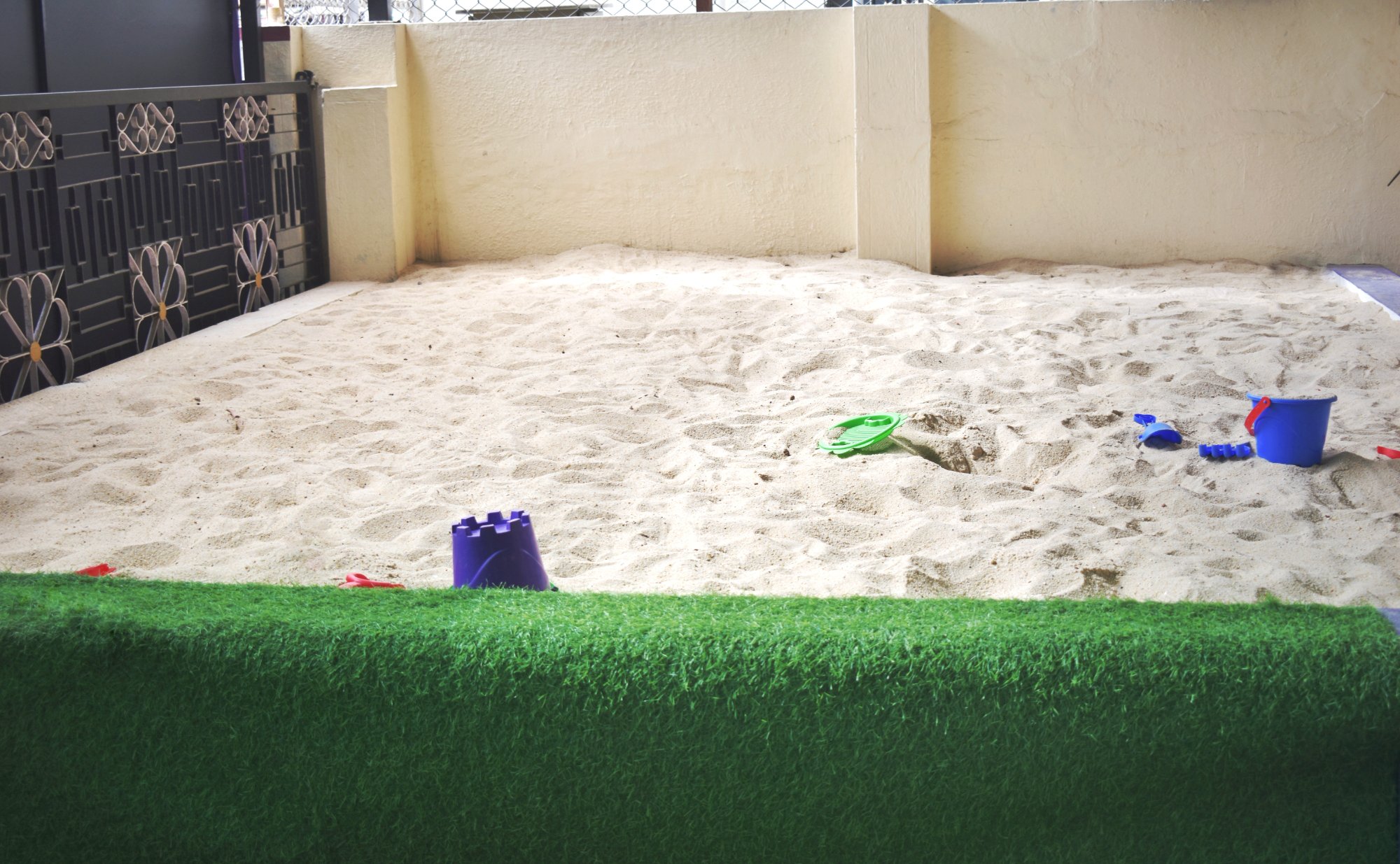
| Outdoor space | Real play space in a city is genuinely valuable |
Cheap, Expensive — and the Difference Between Them
It is tempting to assume the most expensive preschool is the best, or that the cheapest is a smart saving. Neither is reliably true.
A very low fee sometimes signals real corners cut — larger groups, untrained staff, weak safety. A very high fee sometimes simply pays for marble lobbies and marketing rather than anything that reaches your child. Price is a clue, not an answer.
You are not paying for a building. You are paying for the people, the ratios, the curriculum and the safety your child experiences every single day. Judge the fee against those.
How to Judge Genuine Value
On every visit, look past the lobby and ask what the fee is really funding:
- Are the teachers warm, trained and likely to stay? (Low staff turnover is worth a great deal.)
- Are the group sizes genuinely small enough for individual attention?
- Is the curriculum substantial, with a clear plan you can see?
- Are safety and hygiene properly resourced, not improvised?
- Is there real outdoor space, used every day?
A fee that funds these things well is good value, whatever the number. A fee that funds appearances is not.
Smart Questions to Ask About Fees
- Can I have the complete fee structure in writing?
- What exactly is included — and what is charged separately?
- What payment schedules are available — monthly, termly, annual?
- Is there a clear, written refund policy if our plans change?
- Are fees likely to increase next year, and by roughly how much?
A trustworthy school answers all of this openly and in writing. Vagueness about money is itself useful information.
The Bottom Line
The right preschool fee is not the lowest or the highest — it is the one that genuinely funds good teachers, small groups, a real curriculum, solid safety and daily outdoor play. Understand what you are paying for, ask for everything in writing, and measure the number against what your child will actually experience each day.
Clear Fees, Real Value
Book a free tour of Kangaroo Kids Yelahanka — we will walk you through our programmes and fee structure with complete transparency.
Book a Free Tour